If you are navigating municipal bylaws, Ontario building codes, or real estate listings, you have likely come across terms like dwelling, dwelling unit, dwelling room, and ADU. While these terms sound similar, they carry specific legal and structural meanings under Ontario law.
Whether you are a homeowner considering adding a rental suite, an investor building a portfolio, or a buyer evaluating properties, understanding what legally constitutes a dwelling is critical for compliance, property valuation, and lease agreements.
Quick Glossary of Key Terms:
- Dwelling: Any building or structure used as a home or place of residence.
- Dwelling Unit: A self-contained, independent living space containing private sleeping, cooking, and sanitation facilities.
- Dwelling Room: An individual room within a dwelling used or intended for living or sleeping (excluding bathrooms and hallways).
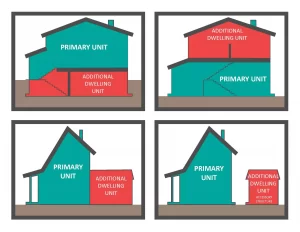
- ADU (Accessory Dwelling Unit): A secondary, self-contained dwelling unit located on the same lot as a primary residence (e.g., basement suite, garden house, or coach house).
What Is a Dwelling?
In broad legal and architectural terms, a dwelling refers to any building, structure, or shelter—or a portion thereof—that is occupied or intended to be occupied as a residential home.
Under municipal zoning bylaws across Ontario, a dwelling can take many forms, including single-detached houses, semi-detached properties, townhomes, multi-family apartment buildings, or mobile homes. However, a structure is only classified as a legal dwelling if it meets provincial safety, fire, and structural standards outlined in the Ontario Building Code.
What Is a Dwelling Unit? (The Legal Definition)
While “dwelling” describes the overall structure, a dwelling unit is the legal term for a single, independent living space designed for a single household.
According to the Ontario Building Code and municipal bylaws, to legally qualify as a dwelling unit, a space must be completely self-contained and provide exclusive access to four core features:
- Exclusive Sleeping Area: A dedicated bedroom or open-concept studio space.
- Private Sanitary Facilities: A dedicated bathroom containing a toilet, sink, and shower or bathtub.
- Private Cooking Facilities: A kitchen or kitchenette with running water, sink, counter space, and appliance hookups.
- Independent Entrance: Direct access to the outside or to a shared common hallway without passing through another private residence.
If a room or basement lacks any of these four core elements—for example, if a resident must share a kitchen or bathroom with another household—it is generally classified as a rooming house or lodging room rather than an independent dwelling unit.
What Is the Meaning of a Dwelling Room?
The term dwelling room (or habitable room) refers to an individual room inside a dwelling unit used for day-to-day living, sleeping, eating, or food preparation.
Under municipal property standards, dwelling rooms include:
- Bedrooms
- Living rooms and family rooms
- Dining rooms
- Kitchens
What is NOT a dwelling room? Spaces like bathrooms, hallways, closets, pantries, utility rooms, boiler rooms, or attached storage garages are legally excluded from the definition of a dwelling room or habitable floor space.
Minimum Room Sizes in Ontario:
The Ontario Building Code enforces strict minimum square footage standards for dwelling rooms within a residential unit:
- Primary Bedroom: Minimum 9.8 m² (approx. 95 sq. ft.)
- Secondary Bedroom: Minimum 7.0 m² (approx. 75 sq. ft.)
- Living Area: Minimum 13.5 m² (approx. 145 sq. ft.)
- Open-Concept Bachelor/Studio Unit: Minimum combined area of 13.5 m² (approx. 145 sq. ft.)
How ADUs (Accessory Dwelling Units) Fit In
Now that you know what a dwelling unit is, how does an ADU (Accessory Dwelling Unit) fit into the picture?
An ADU—also referred to in Ontario planning legislation as an Additional Residential Unit (ARU) or secondary suite—is simply a second or third self-contained dwelling unit built on a property that already has a primary residential home.
Common Types of ADUs in Ontario:
- Integrated ADUs: Basement apartments or converted upper-floor suites within the primary house.
- Detached ADUs: Standalone structures located in the rear or side yard, such as garden suites, laneway houses, or converted coach houses/garages.
Under Ontario’s More Homes Built Faster Act, most homeowners in Ontario are legally permitted to build up to three distinct dwelling units on a single residential lot (e.g., a primary house, a basement dwelling unit, and a detached rear garden suite) without needing complex custom rezoning applications, provided they meet building code and municipal bylaws.
To explore construction costs, size limits, and floodplain restrictions for secondary suites, read our full guide on building an ADU in Ontario.
Why Understanding Dwelling Definitions Matters for Landlords and Owners
For property owners and real estate investors, ensuring that every suite on your property meets the formal definition of a legal dwelling unit is vital for several legal and financial reasons:
- Insurance Coverage: Insurance providers may deny claims for fires or water damage if an illegal, unpermitted dwelling unit is present.
- LTB Jurisdiction: Landlord and Tenant Board (LTB) rules and maintenance dispute forms (Form T6) apply directly to legal tenancy agreements. Knowing whether your rental is an independent dwelling unit or a shared living arrangement dictates which laws apply.
- Property Value & Financing: Legal, permitted dwelling units significantly boost appraisal values and allow buyers to use rental income to qualify for mortgages.
- Safety & Compliance: Ensuring proper fire separations, ceiling heights (minimum 1.95m for basement units), and window sizes prevents municipal fines or costly tenant legal disputes.
Protect Your Residential Assets with Professional Management
Whether you are creating a new basement dwelling unit, building a detached garden suite, or managing multiple residential tenancies, maintaining legal compliance with provincial building codes and tenancy laws is essential.
At Marda Management, we specialize in full-service property management across Windsor, Essex County, and Chatham-Kent. We help property owners keep their dwelling units fully compliant, well-maintained, and profitably leased. Contact our property management team today to learn how we can help manage your investment!