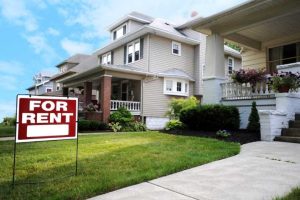
In the world of real estate and urban planning, few topics spark as much debate as rent control. At its simplest, rent control is a government-mandated policy that limits the amount a landlord can charge for a rental unit or the rate at which they can increase the rent over time.
The Purpose of Rent Control
The primary goal of rent control is to ensure housing remains affordable and accessible, particularly in growing urban areas where the demand for homes far exceeds the supply. By capping rent hikes, these policies aim to:
- Prevent Displacement: Protecting long-term residents from being priced out of their neighborhoods by sudden, drastic rent increases.
- Provide Predictability: Allowing households to budget for the future without the fear of a significant jump in their largest monthly expense.
- Encourage Stability: Stable neighborhoods often see higher levels of community engagement and lower turnover rates.
How Rent Control Works
Rent control is not a “one-size-fits-all” policy. It generally falls into two categories, often referred to as “first-generation” and “second-generation” controls.
1. Rent Freezes (First-Generation)
This is a strict form of price control where rents are “frozen” at a specific level and cannot be increased at all. While common during wartime or extreme economic crises in the past, this model is rare today because it can lead to property neglect if maintenance costs outpace revenue.
2. Rent Stabilization (Second-Generation)
Most modern systems use “rent stabilization.” Under this model, rent can be increased, but the increases are capped at a certain percentage—often tied to the rate of inflation or a provincial/state guideline. These systems usually allow for higher increases if specific major renovations or capital repairs have been completed.
Common Terms to Know
- Guideline Increase: The maximum percentage a landlord can raise the rent each year without seeking special permission.
- Vacancy Decontrol: A policy where rent control only applies while a tenant is living in the unit. Once the unit becomes vacant, the landlord can reset the rent to the current market rate for the next tenant.
- Above-Guideline Increase (AGI): A process where a landlord requests a higher-than-normal increase to cover extraordinary costs, such as structural repairs or increased security.
The Debate: Pros and Cons
Rent control is a complex tool with significant trade-offs. On the positive side, it offers immediate protection for residents and keeps diverse communities together. On the negative side, some argue that strict controls can discourage developers from building new rental housing or lead to a decrease in the quality of existing units over time.
Rent Control in Practice
Every region has its own specific rules regarding which buildings are covered and how much rent can rise. For instance, many jurisdictions exempt newer buildings from these rules to encourage new construction, while older buildings remain protected to preserve existing housing options.
To see how these rules apply specifically to local residents, you can read more about the current rent control guidelines in Ontario.