Here is a comprehensive guide to interior design strategies tailored for both tenants and rental property owners.
Part 1: Interior Design Tips for Tenants (Style Without Compromise)
Renting doesn’t mean sacrificing personal style. With non-permanent design solutions, you can transform your living space into a cozy, elevated sanctuary without risking your security deposit.
1. Maximize Light and Depth with Mirrors
Small floor plans and limited natural light are common challenges in rental units.
- The Strategy: Position large wall mirrors opposite windows to reflect incoming light into darker corners.
- The Impact: Reflective surfaces create an optical illusion of extra square footage, making living rooms and entryways feel open and airy.
2. Add Warmth with Layered Textiles and Accessories
If your rental’s neutral walls feel clinical, rely on removable textiles to introduce color, pattern, and texture.
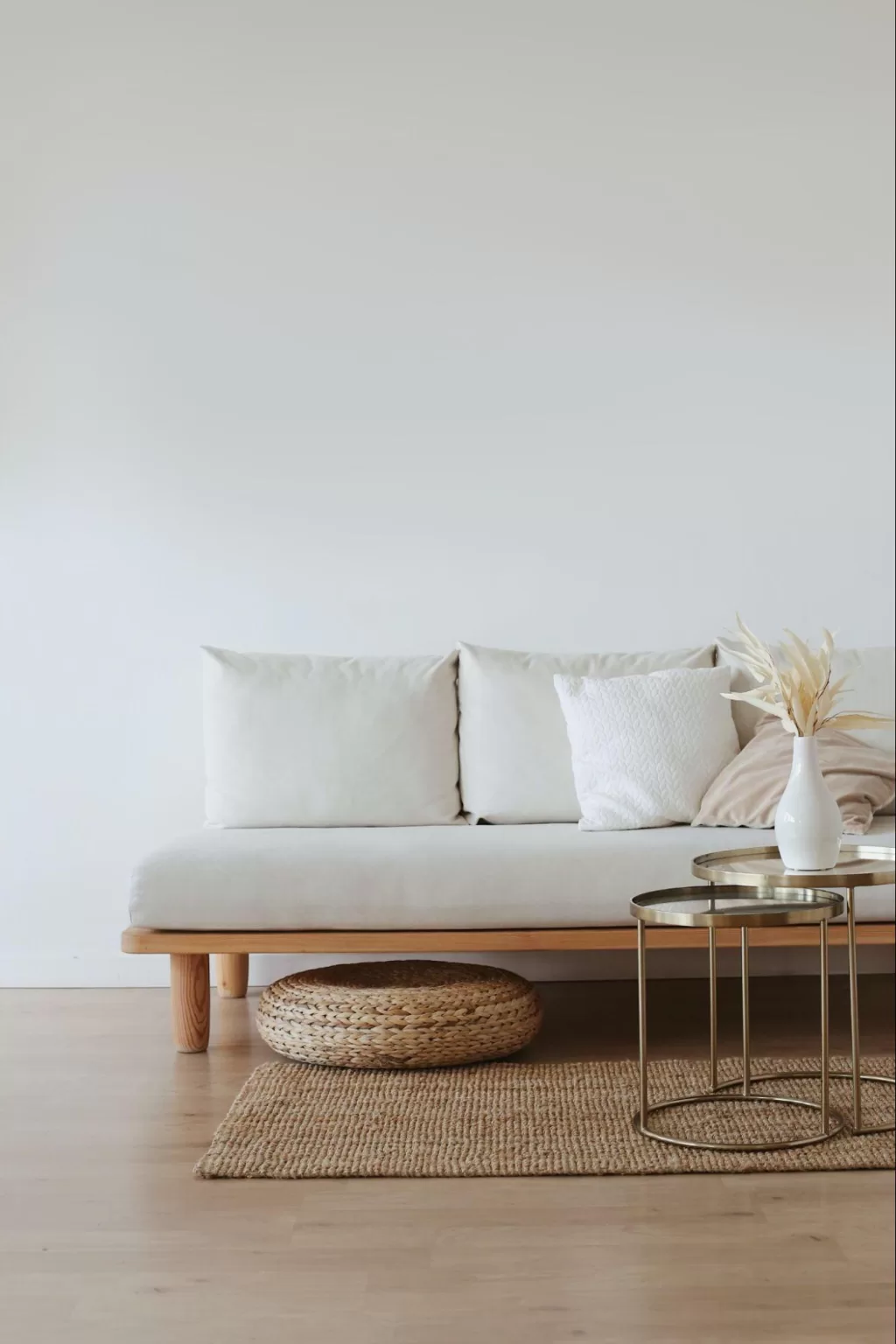
- Rugs: Cover basic vinyl or tired carpet with large area rugs to anchor functional zones (like dining or living areas).
- Soft Furnishings: Use vibrant throw pillows, woven blankets, and floor-length curtain panels (hung via tension rods or command curtain hooks) to frame windows.
3. Choose Multi-Functional, Portable Furniture
When space is at a premium, select items that serve dual purposes:
- Storage Ottomans: Function as extra seating, footrests, and concealed storage for blankets or magazines.
- Lift-Top Coffee Tables: Convert quickly into work-from-home desks.
- Sleeper Sofas: Provide comfortable seating while accommodating overnight guests without requiring a dedicated guest room.
4. Bring the Outdoors In
Houseplants instantly inject life, color, and texture into any interior. Low-maintenance varieties like Snake Plants, Pothos, or ZZ Plants thrive in low-light rental conditions and help purify indoor air. Pair them with stone, terracotta, or wooden planters for a grounded, organic feel.
Part 2: Interior Design Tips for Property Owners (Durable, High-ROI Upgrades)
For landlords and real estate investors, thoughtful interior design for rental properties is a proven marketing tool. Strategic design choices reduce turnover, minimize ongoing maintenance costs, and allow you to command premium rental rates.
High-Value Renovation Focus Areas
- Flooring: Install Luxury Vinyl Plank (LVP) for a water-resistant, highly durable, and scratch-proof surface.
- Lighting Layers: Add flush-mount LED fixtures with dimmers to enhance perceived quality and energy efficiency.
- Paint & Wall Finish: Apply warm neutrals in Satin or Eggshell finishes for easy cleaning and universal appeal.
- Hardware Upgrades: Swap standard cabinet knobs for matte black or brushed brass pulls to deliver an inexpensive luxury feel across kitchens and bathrooms.
1. Invest in Multi-Layered Lighting
Lighting is one of the most cost-effective ways to increase a property’s listing appeal.
- Avoid single overhead lights: Combine central ceiling fixtures with accent lamps and warm LED under-cabinet strip lighting in the kitchen.
- Choose warm color temperatures: Stick to warm white bulbs (2700K–3000K) to make spaces feel modern and welcoming during virtual tours and open houses.
2. Prioritize Built-In Storage Solutions
Clutter is a major pain point for renters. Properties with smart storage solutions stand out in competitive markets:
- Install modular shelving units in bedroom closets.
- Add floating shelves in bathrooms or kitchens to convert dead wall space into functional storage.
- Choose vanity units with deep drawers over simple pedestal sinks.
3. Stick to Timeless, Clean Backdrops
Avoid trend-heavy paint colors or loud feature walls. A neutral backdrop—such as soft greys, warm off-whites, or beige—allows prospective tenants to picture their own belongings in the space while maximizing natural light reflection.
Key Takeaways: Balancing Functionality and Style
Whether you are decorating a home you lease or outfitting a portfolio of investment properties, keep these three fundamentals in mind:
- Keep it cohesive: Stick to a primary color palette of 2–3 core tones throughout the entire property.
- Focus on quality touchpoints: Invest in high-use areas like sofa seating, kitchen hardware, and primary lighting.
- Prioritize layout over clutter: Fewer, higher-quality statement pieces create a more spacious atmosphere than numerous small decorations.